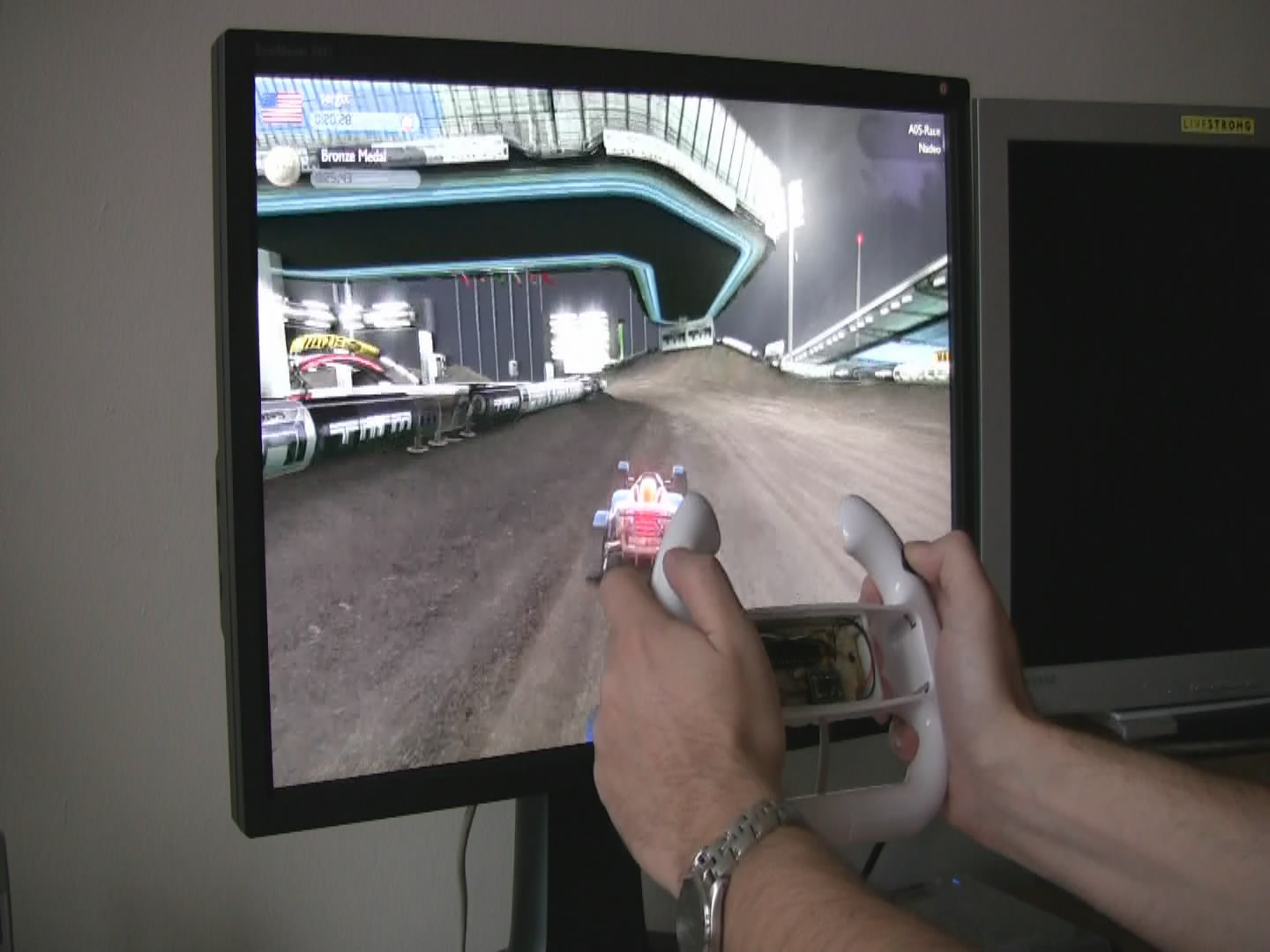
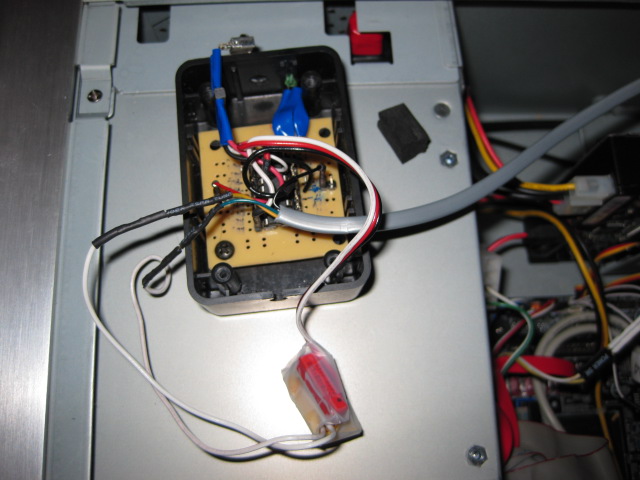
This method of surface mounting is unconventional and is not recommended for production projects. If you plan to use the device in a mobile project make sure you seal it.
It's a know fact that the surface mount devices are becoming more and more popular leaving behind the traditional through-hole mounting method. While for the electronics industry surface mounting brings a lot of benefits (one of them being the ability to pack more components per square inch) for the regular hobyst surface mount devices are often times a "show stopper".
This tutorial is for those of you who absolutely need to mount a small surface mount device for prototyping purposes and do not have the means or time to perfom a traditional surface mount. There's obviously a "correct" way to mount a SMT component and I highly recommend reading the Surface Mount Soldering guide at Curious Inventor first before attempting this method. However it's always good to know that there's an alternative method that does not require any investments in expensive SMT equipment or materials.
In this tutorial I'll describe how to mount an analog LIS244AL accelerometer (data sheet), that comes in a tiny leadless LGA-16 package. The size of the component is 4x4x1.5mm. It has 16 solder pads, each is 0.3×0.4mm. This is the tinest component that I ever have to deal with. When I first saw this device my first thought was that there's now way I can mount this little device without creating a custom PCB and using the traditional surface mounting method.
After several trials and errors I came up with an interesting method that uses masking tape in order to create bridges from the device pads to the pcb regular "through-hole" pads. I also made my work easier by bringing the device pads to the same surface as the PCB hole pads.
No custom PCB is required for this tutorial, we'll use a regular proto-board that you can find in any electronics shop. However you can create a custom PCB to minimize the distance between the device and the external pads.
First mark the desired size on the board that you'll use for your breakout board. We'll use a piece that has 4×4 holes (two pieces are marked on the picture below).